INCOMPLETE ARBORTION/MISCARAGE MANAGEMENT

In Stock (100000 items)
Ksh10,000.00 Ksh5,000.00

A miscarriage is the spontaneous loss of a pregnancy before the 20th week. Most miscarriages occur within the first trimester (the first 12 weeks of pregnancy) and are most often caused by chromosomal problems that make it impossible for the fetus to develop. Read more

Tags:
SKU: #KkVhbnKpte
miscarriage
miscarriage is the spontaneous loss of a pregnancy before the 20th week
. Most miscarriages occur within the first trimester (the first 12 weeks of pregnancy) and are most often caused by chromosomal problems that make it impossible for the fetus to develop. 
Miscarriages are common, affecting about 10% to 20% of known pregnancies, with many more happening before a person is even aware they are pregnant. Having a miscarriage is not usually the result of anything the pregnant person did, and most people go on to have a healthy pregnancy later on. 
Causes and risk factors
While most first-trimester miscarriages are due to chromosomal abnormalities, other factors can increase the risk of pregnancy loss. 
Common risk factors include: 
  • Maternal age: The risk of miscarriage increases with age, particularly after 35.
  • Previous miscarriages: Having had a miscarriage before increases the risk of another one, though the vast majority of people with a single miscarriage will have a healthy subsequent pregnancy.
  • Chronic health conditions: Poorly controlled or untreated conditions like diabetes, severe high blood pressure, thyroid disease, lupus, or kidney disease can raise the risk.
  • Uterine or cervical issues: Structural abnormalities, fibroids, or a weakened cervix can be factors.
  • Infections: Certain infections can increase the risk, including rubella, cytomegalovirus, and listeriosis (caused by certain bacteria found in food).
  • Substance use: Smoking, drinking alcohol, and using illicit drugs are associated with a higher risk.
  • Obesity: A high body mass index is linked to an increased likelihood of miscarriage. 
Factors that do not cause miscarriages include routine exercise, emotional shock, and sex. 
Symptoms
Symptoms of a miscarriage can vary, and in some cases, there may be no symptoms at all. The most common signs include: 
  • Vaginal bleeding or spotting, which can range from light to heavy and may include clots or tissue.
  • Cramping and pain in the abdomen or lower back, which can be similar to or more severe than menstrual cramps.
  • A decrease or loss of pregnancy symptoms, such as morning sickness or breast tenderness.
  • Discharge of fluid or tissue from the vagina. 
Medical management
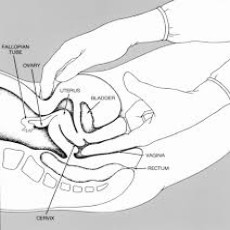
If a miscarriage is suspected, a healthcare provider will perform a pelvic exam and an ultrasound to confirm. Based on the type of miscarriage, several management options may be offered: 
  • Expectant management: This "wait-and-see" approach allows the miscarriage to happen naturally, which can take days or weeks.
  • Medical management: Medications are used to help the uterus expel the pregnancy tissue. This is often completed within 24 hours.
  • Surgical management: Procedures like dilation and curettage (D&C) or dilation and evacuation (D&E) are used to remove any remaining tissue from the uterus. This is typically done for a missed miscarriage, heavy bleeding, or infection. 
Specifications Descriptions

Latest Reviews

No Review
0

You May Also Like

Chat with Doctor

Get 50% Discount.

Lorem, ipsum dolor sit amet consectetur adipisicing elit. Exercitationem, facere nesciunt doloremque nobis debitis sint?