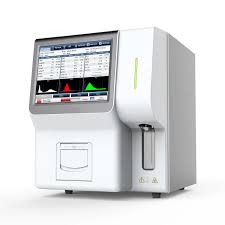
FULL BLOOD TEST

In Stock (100000 items)
Ksh1,000.00 Ksh500.00

A full blood test, or Complete Blood Count (CBC), is a common diagnostic tool that provides a detailed look at the cells circulating in your blood. It is used to assess overall health, screen for conditions like anemia and infection, and monitor existing medical conditions or treatments. A CBC measures and evaluates three main types of blood cells: red blood cells, white blood cells, and platelets. Read more

Categories: LABORATORY
Tags:
SKU: #uFRuPshVzy
A full blood test, or Complete Blood Count (CBC), is a common diagnostic tool that provides a detailed look at the cells circulating in your blood. It is used to assess overall health, screen for conditions like anemia and infection, and monitor existing medical conditions or treatments. A CBC measures and evaluates three main types of blood cells: red blood cells, white blood cells, and platelets. 
Components of a Complete Blood Count (CBC)
Red Blood Cells (RBC)
These cells carry oxygen from your lungs to the rest of your body. Abnormal levels can indicate conditions such as anemia, dehydration, or heart disease. 
  • Red Blood Cell Count (RBC): The total number of red blood cells.
  • Hemoglobin (HGB): The amount of the oxygen-carrying protein in the blood.
  • Hematocrit (HCT): The percentage of your total blood volume made up of red blood cells.
  • Mean Corpuscular Volume (MCV): The average size of your red blood cells. It helps to classify different types of anemia.
  • Red Cell Distribution Width (RDW): Measures the variation in the size of your red blood cells. 
White Blood Cells (WBC)
Also called leukocytes, these cells are vital for your immune system and fight off infections. An increase or decrease can point to infection, inflammation, or immune system disorders. 
  • Total White Blood Cell Count (WBC): The total number of white blood cells in your sample.
  • White Blood Cell Differential: A more detailed breakdown of the five types of white blood cells.
    • Neutrophils: Fight bacterial and fungal infections.
    • Lymphocytes: Fight viral infections and produce antibodies.
    • Monocytes: Clean up cellular debris and alert other immune cells to foreign invaders.
    • Eosinophils: Combat parasitic infections and mediate allergic responses.
    • Basophils: Involved in allergic reactions and preventing blood clots. 
Platelets (PLT)
These are small cell fragments that help your blood to clot and stop bleeding. 
  • Platelet Count: The total number of platelets in your blood sample.
  • Mean Platelet Volume (MPV): The average size of your platelets. 
Interpreting your results
When you receive your results, they will show your measured values alongside a "reference range" of what is considered normal. High or low results are not necessarily cause for alarm, as many factors can affect them, including: 
  • Diet and activity level
  • Medications
  • Hydration levels
  • Menstrual cycle (for women)
Your doctor will interpret the results based on your medical history, symptoms, and other clinical information. An abnormal result may warrant further testing to diagnose an underlying condition. 
How to prepare for a blood test
In most cases, a CBC does not require special preparation, though it's important to follow your healthcare provider's instructions. 
  • Fasting: If other blood tests are ordered at the same time, you may need to fast (not eat or drink) for several hours beforehand. Your doctor will inform you if this is necessary.
  • Hydration: Drinking plenty of water can make it easier to draw your blood.
  • Medications: Inform your doctor about any medications, vitamins, or supplements you are taking, as they can sometimes affect test results. 
Specifications Descriptions

Latest Reviews

No Review
0

You May Also Like

Chat with Doctor

Get 50% Discount.

Lorem, ipsum dolor sit amet consectetur adipisicing elit. Exercitationem, facere nesciunt doloremque nobis debitis sint?