PELVIC ULTRASOUND SCANNING

In Stock (100000 items)
Ksh2,000.00 Ksh1,500.00

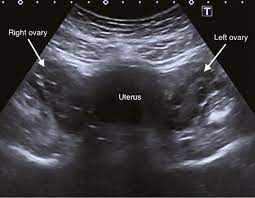
A pelvic ultrasound uses high-frequency sound waves to create images of the organs and structures in the lower abdomen and pelvis. It is a safe and non-invasive procedure used to diagnose conditions in both males and females. Read more

Categories: ULTRASOUND SCANNING
Tags:
SKU: #HjhZolejW1
A pelvic ultrasound uses high-frequency sound waves to create images of the organs and structures in the lower abdomen and pelvis. It is a safe and non-invasive procedure used to diagnose conditions in both males and females. 
Pelvis Ultrasound Price | Pelvis Ultrsound starts at Rs.1200 ...
For women
A pelvic ultrasound for women is often called a gynecological ultrasound. It examines the uterus, ovaries, cervix, and fallopian tubes.
Reasons for a pelvic ultrasound in women: 
  • Investigate symptoms such as pelvic pain, abnormal vaginal bleeding, or menstrual problems.
  • Diagnose conditions including uterine fibroids, ovarian cysts, polyps, or endometriosis.
  • Evaluate fertility problems, such as blockades in the fallopian tubes or polycystic ovarian syndrome (PCOS).
  • Check pregnancy status for confirmation, to date the pregnancy, or to monitor the baby's development.
  • Assess the position of an intrauterine device (IUD). 
For men
In men, a pelvic ultrasound focuses on the urinary bladder and prostate gland.
Reasons for a pelvic ultrasound in men: 
  • Evaluate the prostate gland and seminal vesicles.
  • Diagnose urinary problems, such as difficulty passing urine or urinary retention.
  • Assess for bladder issues, such as tumors or stones.
  • Investigate male infertility. 
Types of pelvic ultrasounds
A pelvic ultrasound may be performed using one or more of these methods to get the clearest possible images: 
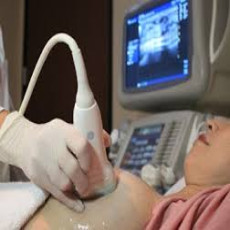
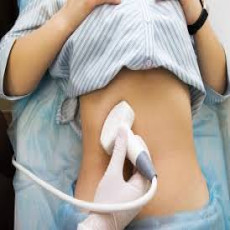
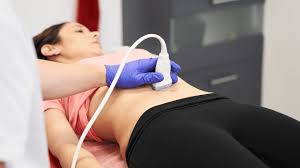
  • Transabdominal ultrasound: A technician moves a transducer (a small, hand-held device) over the skin of the lower abdomen. A full bladder is often required to help improve the image quality of the pelvic organs.
  • Transvaginal ultrasound (for women): After the transabdominal portion, the patient empties their bladder. A thin, lubricated transducer is then inserted a few inches into the vagina to get clearer, more detailed images of the uterus and ovaries.
  • Transrectal ultrasound (for men): A lubricated transducer is inserted into the rectum to get detailed images of the prostate gland and seminal vesicles. 
What to expect during the exam
  • Preparation: Your doctor will provide specific instructions, which may include drinking several glasses of water to fill your bladder.
  • Procedure: A sonographer or radiologist will perform the scan. For an external (transabdominal) scan, they will apply a water-based gel to your skin to help the sound waves travel. The scan typically takes 30 to 45 minutes.
  • Feelings: The procedure is generally not painful, though you may feel some pressure from the transducer, especially if your bladder is full. Mild, temporary discomfort can occur with internal scans.
  • Results: A radiologist will interpret the images and send a report to your doctor, who will then discuss the findings with you. 
Specifications Descriptions

Latest Reviews

No Review
0

You May Also Like

Chat with Doctor

Get 50% Discount.

Lorem, ipsum dolor sit amet consectetur adipisicing elit. Exercitationem, facere nesciunt doloremque nobis debitis sint?